Entrepreneurship
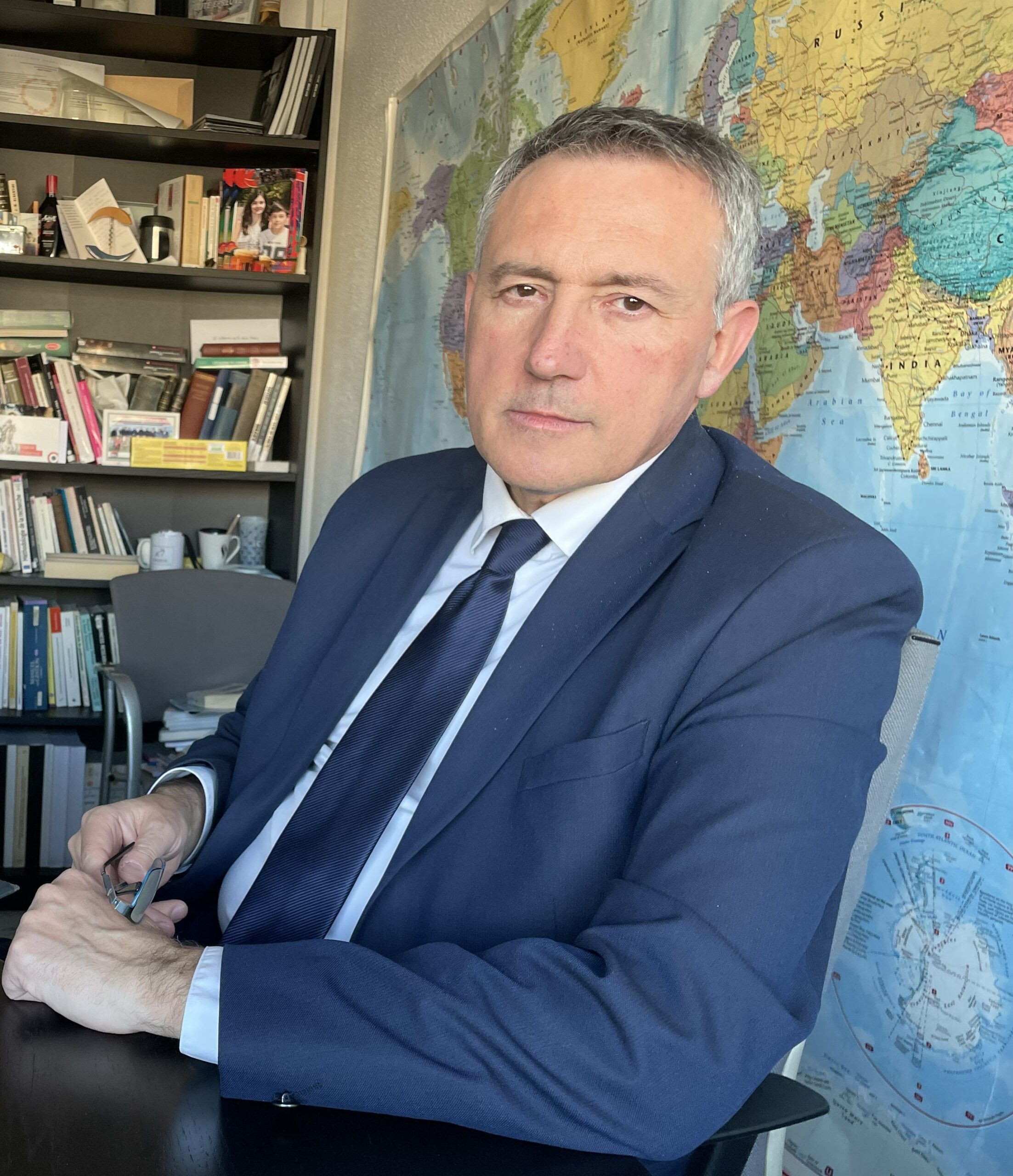
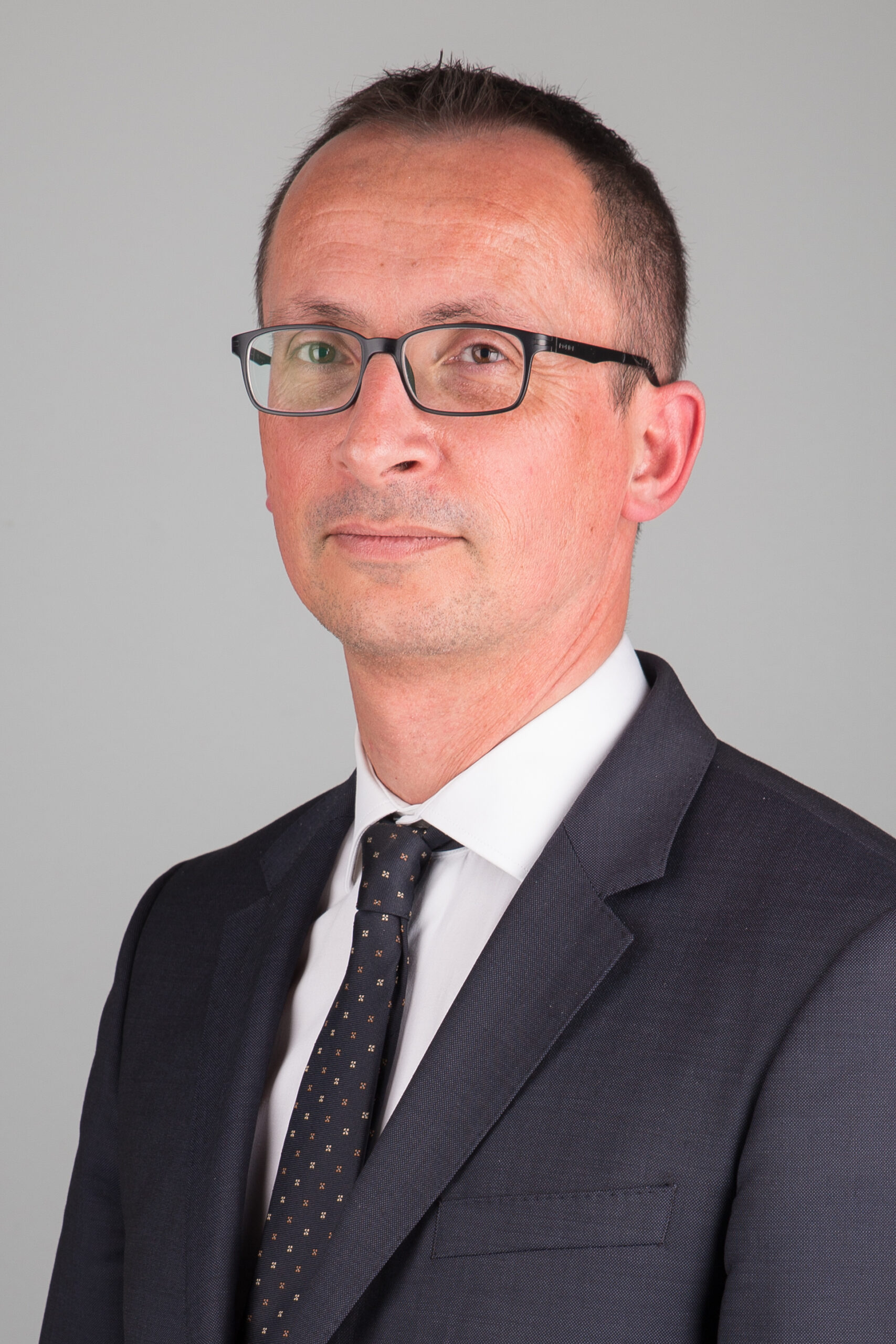
The Entrepreneurship and SMEs Group is led by Olivier TORRES and Annabelle JAOUEN (MBS). It brings together faculty members from various disciplines, including entrepreneurship, public management, strategy, human resource management, and management. The group’s focus is on entrepreneurship in the broadest sense of the term, extending beyond simply starting a business. The group is also cosmopolitan and rich in cultural diversity.
The Entrepreneurship group focuses on the act of entrepreneurship itself, examining it from the perspective of entrepreneurs (health, profiles, behaviors), support structures, and the ecosystem in which they operate (business models, performance, processes, selection, coopetition, competitiveness clusters, stakeholder strategies, governance), and the companies themselves (sustainable development, corporate social responsibility).
The Entrepreneurship Group focuses its research efforts on three major, non-exclusive areas: the Entrepreneurial Support Lab (1), sustainable development and health (2), and entrepreneurship and innovation (3).
Research Topics

Topic 1: Entrepreneurial Support Lab
The Entrepreneurial Support Lab is a group that has already been identified as part of the Labex Entreprendre initiative. It is divided into two thematic areas.
– The first focuses on entrepreneurial support provided by support organizations in the broadest sense of the term. The goal is to explore evolving business models and new forms of support. Incubators (in the Anglo-Saxon sense of the term) have become businesses like any other. Navigating the balance between cooperation and competition, their strategies are constantly evolving and challenging their business models. New tools must be developed to maintain a high level of performance in an ecosystem that is being reshaped by the arrival of new private players. Alongside the study of the business models of support organizations, new forms of support are being explored, such as those provided to specific target populations (artist-entrepreneurs) or to companies guided by core values such as liberation or sustainable development (“liberated” companies, “sustainable” companies).
– The second theme focuses on entrepreneurial ecosystems and the pursuit of opportunities. Opportunity pursuit depends in part on the nature of entrepreneurial ecosystems, which offer conditions that are more or less conducive to such efforts. This program examines the emergence and development of entrepreneurial ecosystems. Many stakeholders are developing initiatives to foster innovation and entrepreneurship, thereby giving rise to micro-ecosystems. The challenge is to better understand the ecosystem strategies implemented by these actors. This program also examines the pursuit of opportunity in various contexts, such as local governments, the internationalization of eco-SMEs, business succession, and poverty. The goal is to better understand the determinants of the pursuit of opportunity from both individual and collective perspectives.
Topic 2: Sustainable Development and Health
The second focus area is titled “Sustainable Development and Health.” It is also divided into two subthemes.
– The first focuses on studies of executives’ occupational health and its managerial and entrepreneurial implications. The goal is to generate actionable knowledge about executives’ health. Cohorts of several hundred business leaders have been established; these enable us to monitor their health and continuously feed data into longitudinal databases, which serve as the raw material for research questions. One of the ongoing research projects aims to define the concept of“salutopreneurialcapital” (a portmanteau of“salutogenic” and “entrepreneurial”) and to demonstrate its positive impact on both entrepreneurship (notably by drawing on the concepts of entrepreneurial orientation and entrepreneurial vigilance) and on health (measured using both Pines’ burnout scale and Cohen’s GHQ-12).
– The second research theme focuses on CSR and sustainable development in SMEs. It examines how SME executives perceive sustainable development (SD), as well as the factors driving their commitment to SD initiatives and the resulting performance. One objective is to examine the links between executives’ perceptions and their responsible actions. The objective is to observe and understand executives’ decision-making and learning processes regarding sustainable development and to identify discrepancies between what they think, say, and do. These studies, which prioritize qualitative methodologies, focus in particular on the determinants of responsible engagement as well as on the observation of specific populations and contexts (such as women entrepreneurs and networks). Another focus is on studying the influence of personal, organizational, and environmental factors on corporate behavior, monitoring and reporting practices, as well as the forms and level of performance in its broadest sense. These studies are part of surveys conducted across approximately ten countries within the International Observatory on Sustainable Development in SMEs® (LabEx Entreprendre). CSR issues are also central to this research initiative. CSR is assessed in particular through the beliefs, values, worldviews, and perceptions of executives, as well as the impact these dimensions may have on the company’s management system and the development of socially responsible practices.
Topic 3: Entrepreneurship and Innovation
Finally, the third research area, Entrepreneurship and Innovation, is based on research into new entrepreneurial behaviors: types of entrepreneurs and innovations, entrepreneurial contexts, and individual and collective behaviors. Several levels of analysis are considered: the individual level (entrepreneurs, owner-managers, teams, family businesses, etc.), the organizational level (small businesses, cooperative enterprises, etc.), and the aggregate level (regions, industries). The program also examines motivations for entrepreneurship, modes of entrepreneurship and market entry (new ventures, takeovers, internationalization, etc.), entrepreneurial behavior, strategic entrepreneurship, and the outcomes of entrepreneurship.
Permanent Members
- BAKKALI Chaffik
- Isabelle BORIES-AZEAU
- Sophie CASANOVA
- COURRENT, Jean-Marie
- Marie da Fonseca
- Caroline DEBRAY
- Karim MESSEGHEM
- Sylvie SAMMUT
- SWALHI Abdelaziz
- Olivier TORRES
Associate Members
- AUGUSTIN, Bernard
- BAKHIT Waël
- Constance BENCH
- Alexandre BENZARI
- Dorian BOUMEDJAOUD
- Stéphanie BUGAUT HEICHELBECH
- Laurence CLOUTIER
- CONTRERAS CRUZ, Maria
- Marie da Fonseca
- CLara DOUAIHY
- Michele El Khoury
- ESTEVE Jean-Marie
- Colette FOURCADE
- Marie GOMEZ BREYSSE
- HERAL, Mireille
- Annabelle JAOUEN
- Charlotte KINOWSKI-MOYSAN
- Sofia LAMPERTI
- Franck LASCH
- MAALOUL Emna
- OMRI Walid
- Walid NAKARA
- OUALFI Ouafa
- Agnès PARADAS
- Catherine PEYROUX
- Andry RAMAROSON
Doctoral Students
- ARCE-FRIAS Milton J.– directed by Jean-Marie COURRENT and Maryline BOURDIL
- Laura BIDAUT
- Kamal DARNOUNI
- Yaser GHANEI
- Mathieu LE MOAL– directed by O. TORRES
- LIU Xiaowei
- Ghita NAAIMY
- RABAUD Lasma– directed by Jean-Marie COURRENT and Anne-Sophie FERNANDEZ
- Marc RIVAULT– directed by Marion POLGE
- Martin RUVINI– directed by Jean-Marie COURRENT and Géraldine GIORDANO
- TRAD Mouna
- Daniel VANEGAS RESTREPO
Major Conferences on Entrepreneurship and Small and Medium-Sized Enterprises
- AIMS – International Association for Strategic Management,
- AOM (ENT Div.) – Academy of Management – Entrepreneurship Division,
- BCERC – Babson College Entrepreneurship Research Conference,
- CAEI – Conference of the Academy of Entrepreneurship and Innovation,
- CIFPME – International Francophone Conference on Entrepreneurship and Small and Medium-Sized Enterprises,
- ECSB – European Council of Small Business,
- EURAM – European Academy of Management,
- ICSB – International Council of Small Business,
- IECER – Interdisciplinary European Conference on Entrepreneurship Research,
- NCSB – Nordic Conference on Small Business Research,
- RENT – Research in Entrepreneurship and Small Business.
Leading Journals in Entrepreneurship and SMEs
- E&I – Entrepreneurship and Innovation (unclassified journal),
- ERD – Entrepreneurship and Regional Development (CNRS: 3, HCERES: B),
- ET&P – Entrepreneurship Theory & Practice (CNRS: 1, HCERES: A),
- FBR – Family Business Review (CNRS: 2, HCERES: A),
- IJEI – International Journal of Entrepreneurship and Innovation (CNRS: 4, HCERES: B),
- ISBJ – International Small Business Journal (CNRS: 2, HCERES: A),
- JBV – Journal of Business Venturing (CNRS: 1, HCERES: A),
- JIE – Journal of International Entrepreneurship (CNRS: 3, HCERES: B),
- JSBM – Journal of Small Business Management (CNRS: 2, HCERES: A),
- RE – Journal of Entrepreneurship (CNRS: 4, HCERES: B),
- RFG – Revue Française de Gestion (CNRS: 4, HCERES: B),
- RIPME – International Journal of SMEs (CNRS: 4, HCERES: B),
- SBE – Small Business Economics (CNRS: 2, HCERES: A),
- SEJ – Strategic Entrepreneurship Journal (CNRS: 2, HCERES: A).
Conferences:
- Organization of the 2019 Conference of the Academy of Entrepreneurship and Innovation:https://www.umontpellier.fr/articles/aei2019-repenser-lentrepreneuriat-des-racines-et-des-reves
Videos:
- New Business Models for Entrepreneurial Support – Sylvie Sammut
- A Sustainable Entrepreneurial Ecosystem: Toward a Social Capital Approach – Karim Messeghem
- Entrepreneurship and Growth Mindset
Articles:
- Measuring Nonprofit Incubator Performance: Toward an Adapted Balanced Scorecard Approach by Karim Messeghem, Chaffik Bakkali, Sylvie Sammut, and Abdelaziz Swalhi
- "Effectiveness of Export Support Programs: Impact on the Relational Capital and International Performance of Small Businesses in the Early Stages of Internationalization" by Alexis Catanzaro, Karim Messeghem, and Sylvie Sammut.
- Extending CSR in SMEs’ Upstream Supply Chains: A Dynamic Capabilities Perspective by Rebecca Stekelorum, Issam Laguir, Jean-Marie Courrent, and Anicia Jaegler
- Linking Owner-Managers’ Personal Sustainability Behaviors and Corporate Practices in SMEs: The Moderating Roles of Perceived Advantages and Environmental Hostility by Sonia Chassé and Jean-Marie Courrent
- Do Entrepreneurial SMEs Perform Better Because They Are More Responsible? By Jean-Marie Courrent, Sonia Chassé, and Waleed Omri
Theses:
Topic: The Impact on the Health of Business Leaders (SMEs/Very Small Businesses) in the Context of Insolvency Proceedings (Reorganization, Judicial Liquidation)
Thesis keywords: Corporate Executives’ Health, Insolvency Proceedings, Emotions, Affectivity
Thesis Advisor: Olivier TORRES
Thesis Advisor: Charles PUEL
Topic: Strategy and Performance in Innovation and Entrepreneurship Ecosystems
Thesis keywords: Innovation and entrepreneurship ecosystem, entrepreneurial support, performance, ecosystem strategy,
Thesis Advisor: Karim MESSEGHEM
Topic: Technostress & Health: A Comparative Study of the Effects of Technostress on the Health and Work Performance of Employees and Entrepreneurs.
Thesis keywords: Technostress – Health – Work Performance – Employees – Entrepreneurs – Effects
Thesis Advisor: Olivier Torres
Thesis Co-Advisor: Anis Khedhaouria
Subject: Collective Pursuit of International Business Opportunities by Eco-SMEs
Thesis keywords: Eco-SMEs, collective strategies, international entrepreneurship, networks
Thesis Advisor: Karim MESSEGHEM
Thesis Co-Advisor: Alexis CATANZARO
Topic: “To what extent do women in the construction trades develop strategic behaviors that promote inclusion?”
Thesis keywords: Inclusion, Diversity, Women,
Thesis Advisor: Marion POLGE
Topic: Support for Business Restructuring: A Critical Analysis, Methods, and Challenges
Thesis keywords: Support for liberation, liberated company, organizational agility, theory of paradoxes, critical approaches,
Thesis Advisor: Sylvie SAMMUT
Thesis Co-Advisor: Annabelle JAOUEN
Topic: Supporting Eco-SMEs in the Global Market: The Case of Collaborative Strategies
Thesis keywords: International business support, eco-SMEs, collaborative strategies, international entrepreneurship, networks,
Thesis Advisor: Karim MESSEGHEM
Thesis Co-Advisor: Alexis CATANZARO
Topic: The Development of Corporate Social Responsibility in Tunisian SMEs in the Context of Post-Revolutionary Social Dialogue.
Thesis keywords: CSR – SMEs – Disengagement – Social dialogue
Thesis Advisor: Jean-Marie COURRENT
Thesis Co-Advisor: Olfa ZERIBI BEN SLIMANE
Topic: Toward a New Business Model for Entrepreneurial Support?
Thesis keywords: Entrepreneurship, Forms of entrepreneurial support, Generation Y, public support structures, private incubators, performance
Thesis Advisor: Sylvie SAMMUT
Topic: An Analysis of the Effectiveness of Preventive Measures on the Health of SME Executives Involved in Bankruptcy Proceedings (Reorganization and Judicial Liquidation)
Thesis keywords: Insolvency proceedings – Health – entrepreneurs – SMEs – business failure – filing for bankruptcy
Thesis Advisor: Olivier TORRES
Topic: Support Strategies and Practices of European Academic Incubators and the Performance of Academic Spin-offs
Thesis keywords: Academic incubators, academic spin-offs, entrepreneurial support, incubator performance.
Thesis Advisor: Karim MESSEGHEM